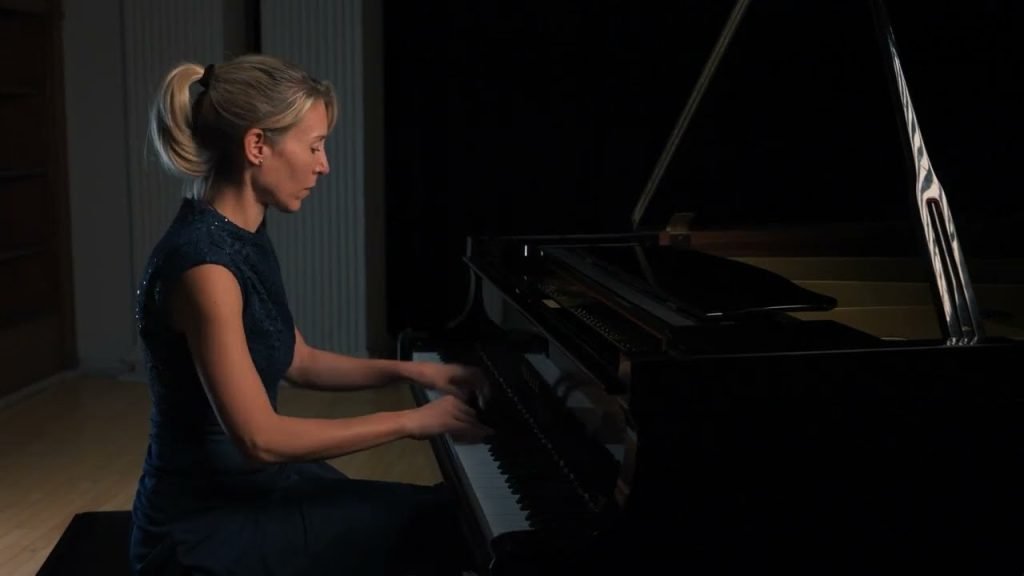
Huneker put it plainly: “The C sharp minor Valse is the most poetic of all.” Shoma’s performance of Chopin’s Waltz Op. 64 No. 2 takes that poetry seriously without ever letting the dance go slack.
Chopin marks the opening Tempo giusto, and Shoma’s first section moves at a measured, singing pace, flexible yet firm enough to keep the waltz alive. The real pleasure lies in the contrasts the score asks for. Each time Chopin writes più mosso, the bars clearly quicken, so the whirling figure gains genuine lift, and at the più lento interlude (1:09) the pace relaxes again into something warmer.
Most telling is the return of Tempo primo (2:09). Shoma comes back almost exactly to the pace of the opening, which gives the form a satisfying clarity and makes the reprise feel like a homecoming.
The dynamics stay restrained from first page to last, so the drama comes from pacing and shading rather than force. That restraint suits a piece of which Huneker wrote, “The elegiac imprint is unmistakable in this soul dance.”
Niecks records an eyewitness who heard Chopin himself play this waltz, a reminder that it was a piece the composer chose to share at the keyboard. Shoma shares it with the same intimacy: the dimly lit room and the raised lid keep every eye on the music.